Introduction
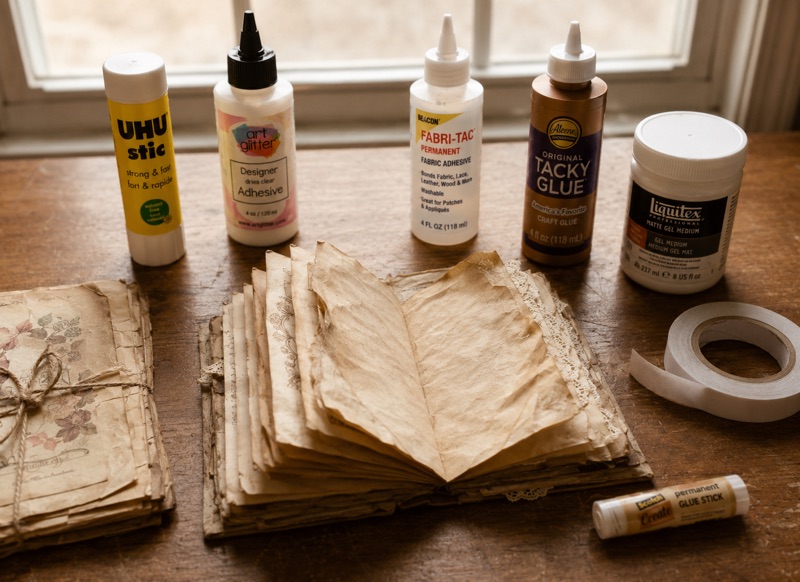
One of the most common questions among junk journal makers is:
“What glue should I use?”
With so many adhesives available, choosing the right one can feel overwhelming. The truth is that no single glue works for every project. The best adhesive depends on the materials you’re working with and how durable you want your finished journal to be.
Whether you’re attaching vintage book pages, printable ephemera, lace, fabric, pockets, or heavy embellishments, using the correct glue can make your junk journal stronger, cleaner, and longer lasting.
This guide covers the most popular adhesives used by junk journal makers, what they’re best for, and which ones deserve a permanent spot in your craft room.
Why Your Choice of Glue Matters
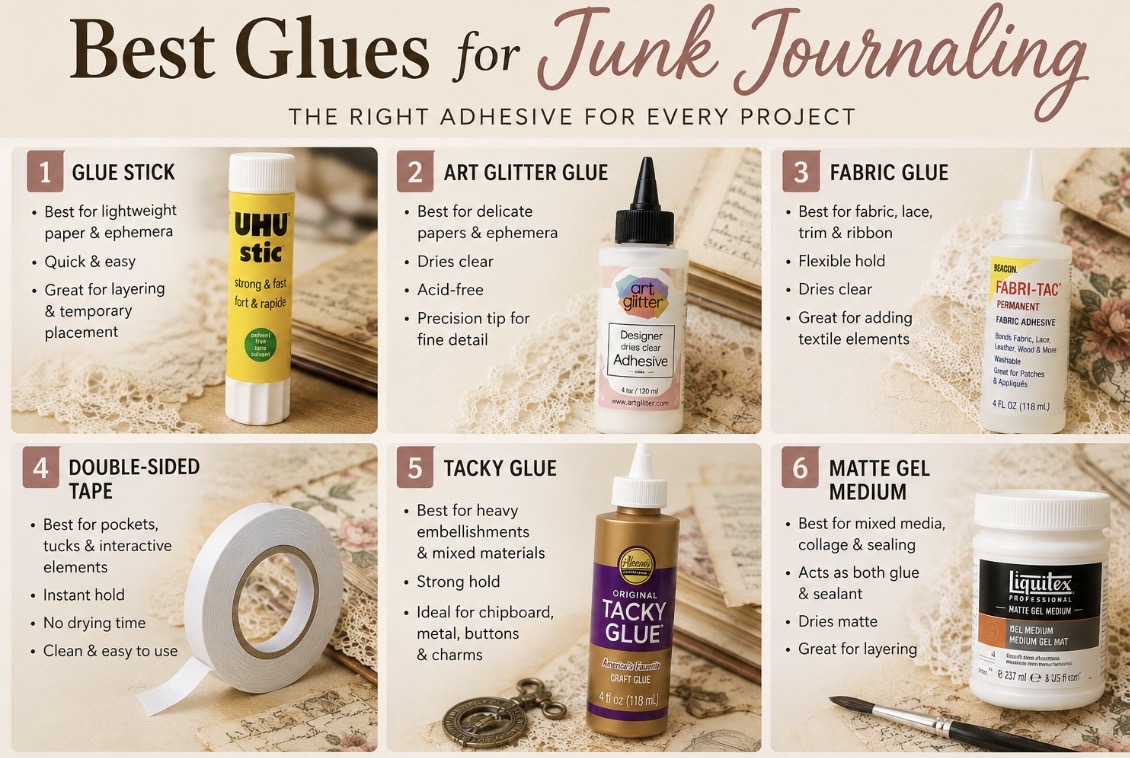
Junk journals are unique because they combine many different materials:
- Paper
- Cardstock
- Fabric
- Lace
- Ribbon
- Metal charms
- Buttons
- Ephemera
- Vintage book pages
- Digital printables
Each material requires a different type of adhesive to achieve the best results.
Using the wrong glue can lead to:
- Wrinkled pages
- Loose embellishments
- Warped paper
- Sticky residue
- Pages falling apart over time
Choosing the proper adhesive helps create journals that remain beautiful and durable for years.
All product titles below are clickable! Click any image to view product details, pricing, and availability. Some links may be affiliate links at no additional cost to you.
Glue Sticks
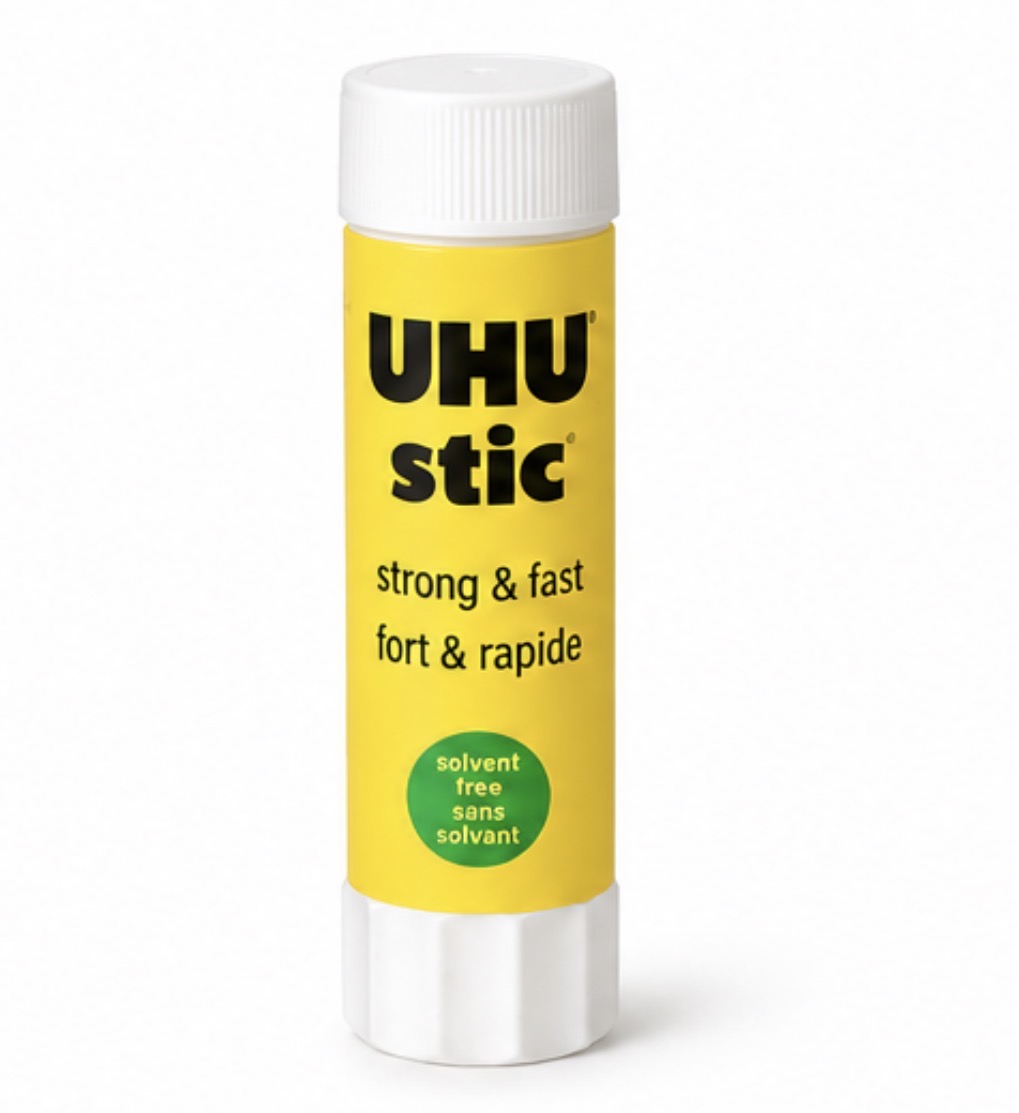
Best For:
- Lightweight paper
- Printable ephemera
- Temporary placement
- Basic layering
Glue sticks are often the first adhesive beginners use. They are inexpensive, easy to find, and simple to apply.
Pros
✔ Affordable
✔ No drying time
✔ Minimal mess
✔ Great for quick projects
Cons
✘ Can dry out over time
✘ Not ideal for heavy elements
✘ May lose adhesion in humid environments
Recommended Uses
Glue sticks work well for:
- Book pages
- Printable backgrounds
- Lightweight collage elements
- Temporary positioning
Art Glitter Glue
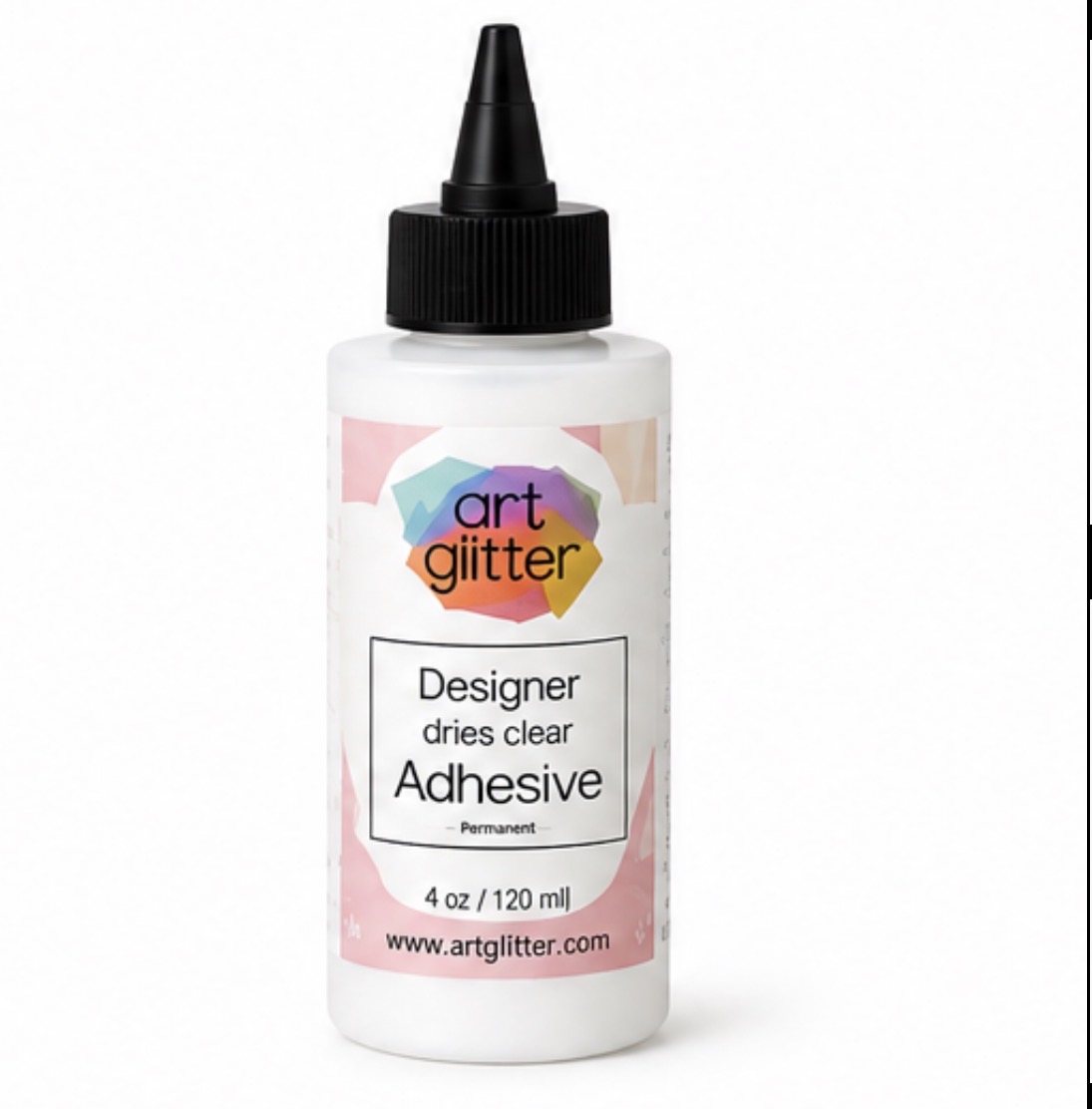
Best For:
- Vintage papers
- Fine details
- Delicate ephemera
- Precision work
Despite its name, Art Glitter Glue is one of the most popular adhesives among junk journal makers.
It dries clear, creates a strong bond, and works beautifully with paper projects.
Pros
✔ Dries crystal clear
✔ Strong hold
✔ Acid-free
✔ Precision tip available
✔ Little wrinkling
Cons
✘ More expensive than glue sticks
✘ Requires drying time
Recommended Uses
- Ephemera
- Journal cards
- Layered clusters
- Vintage book pages
- Printable kits
Many experienced journal makers consider this their everyday adhesive.
Fabric Glue
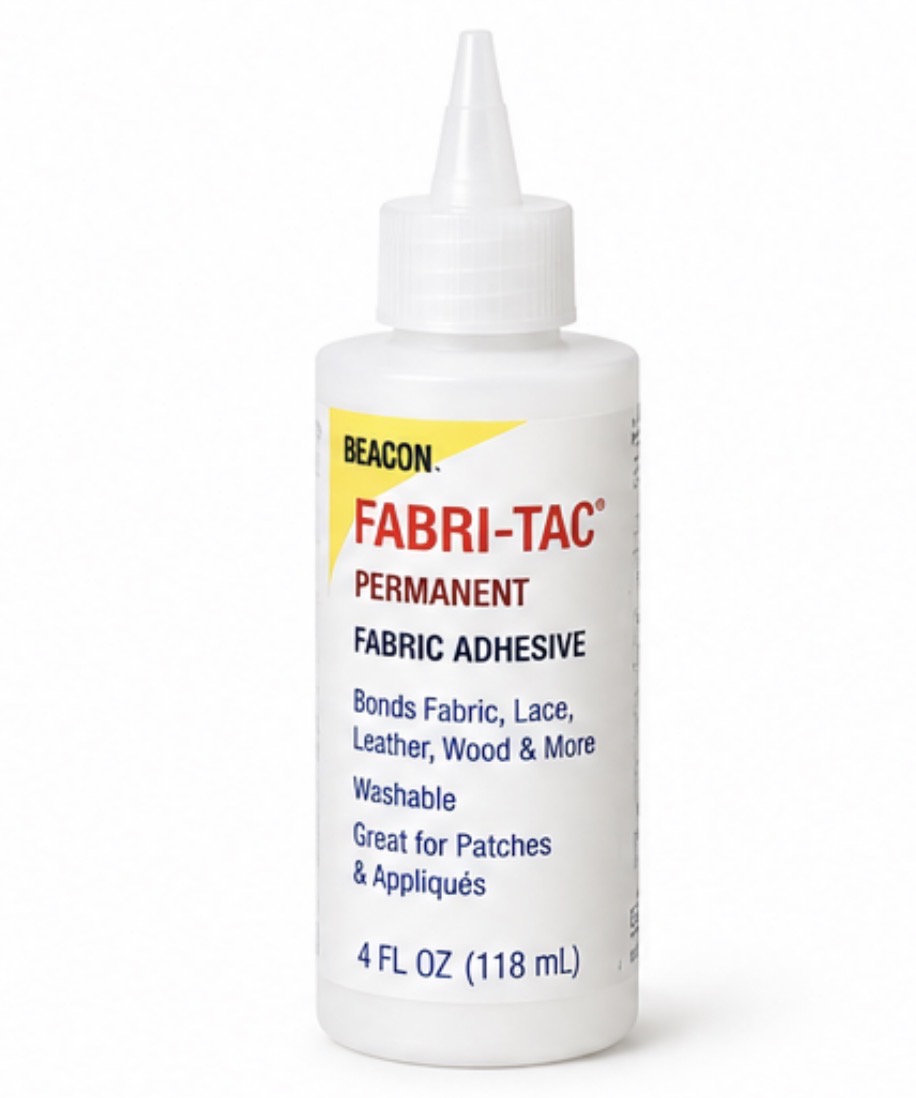
Best For:
- Fabric
- Lace
- Trim
- Ribbon
When adding textiles to a junk journal, fabric glue provides flexibility that standard paper glue cannot.
Pros
✔ Flexible when dry
✔ Strong bond
✔ Works on fabric and paper
✔ Easy to apply
Cons
✘ Longer drying time
✘ Can soak through delicate fabrics
Recommended Uses
- Lace pockets
- Fabric flips
- Ribbon closures
- Decorative trim
Double-Sided Tape
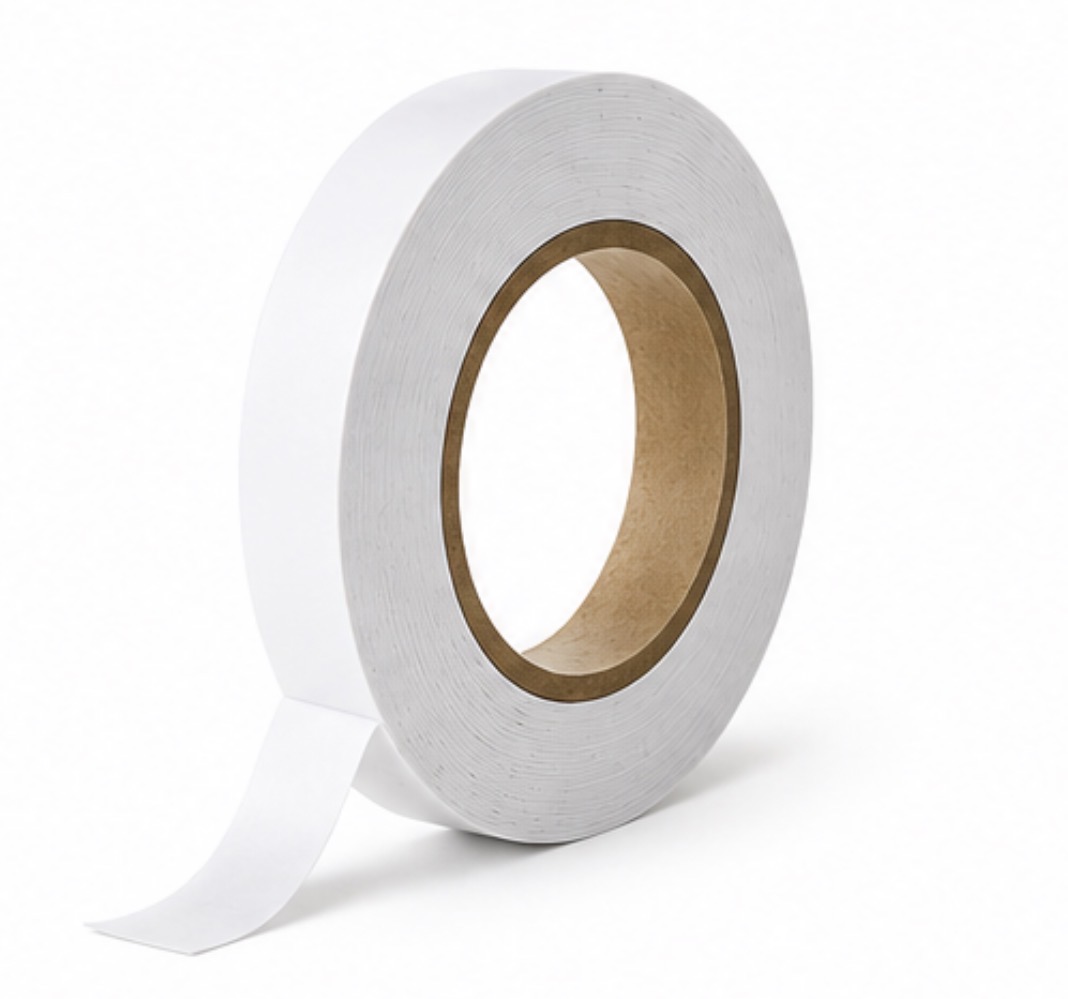
Best For:
- Pockets
- Tucks
- Interactive elements
Double-sided tape provides an instant bond without moisture.
Pros
✔ No drying time
✔ Clean application
✔ No wrinkling
✔ Strong hold
Cons
✘ Limited repositioning
✘ Can be expensive for large projects
Recommended Uses
- Pockets
- Belly bands
- Hidden tucks
- Envelopes
- Flip-outs
Tacky Glue
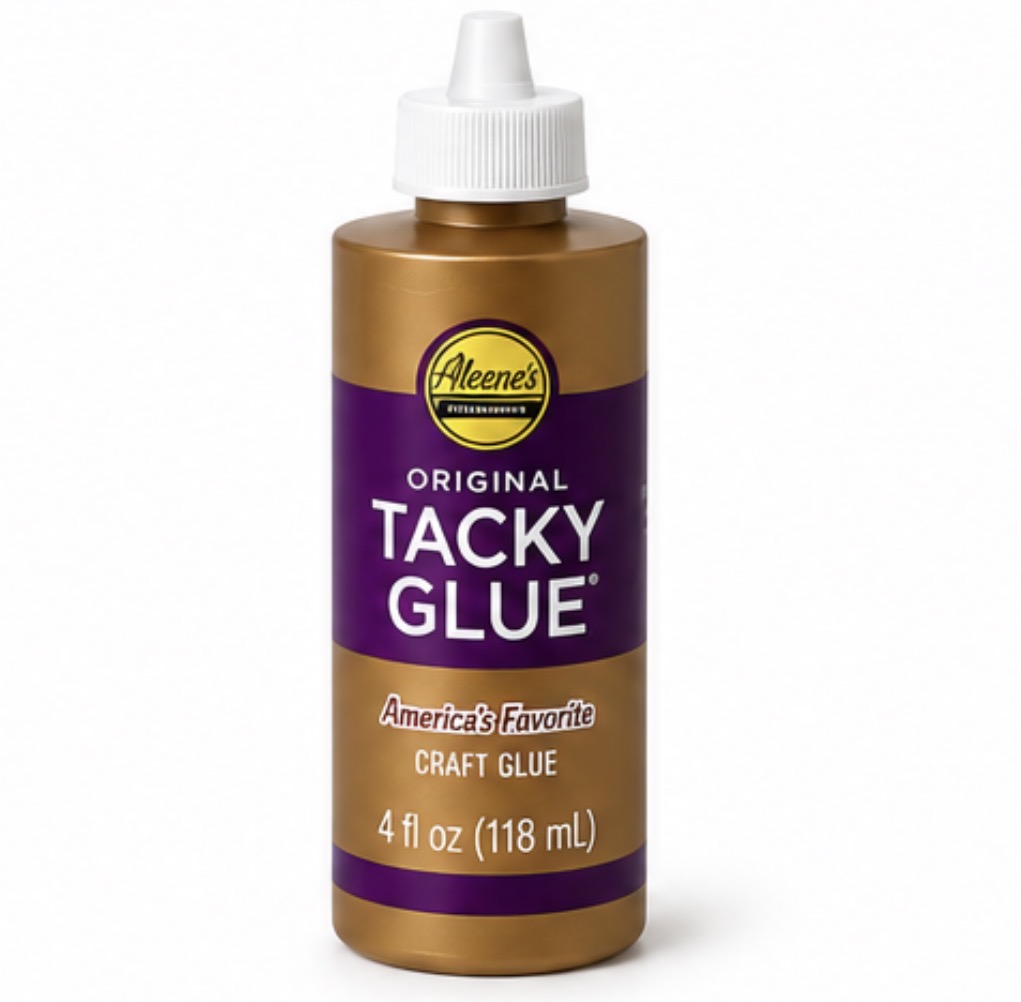
Best For:
- Heavy embellishments
- Chipboard
- Metal charms
- Buttons
Tacky Glue is thicker than most craft glues and provides a stronger hold.
Pros
✔ Strong bond
✔ Affordable
✔ Versatile
✔ Great for mixed materials
Cons
✘ Longer drying time
✘ Can be messy if overused
Recommended Uses
- Embellishment clusters
- Decorative charms
- Thick paper layers
- Dimensional projects
Matte Gel Medium
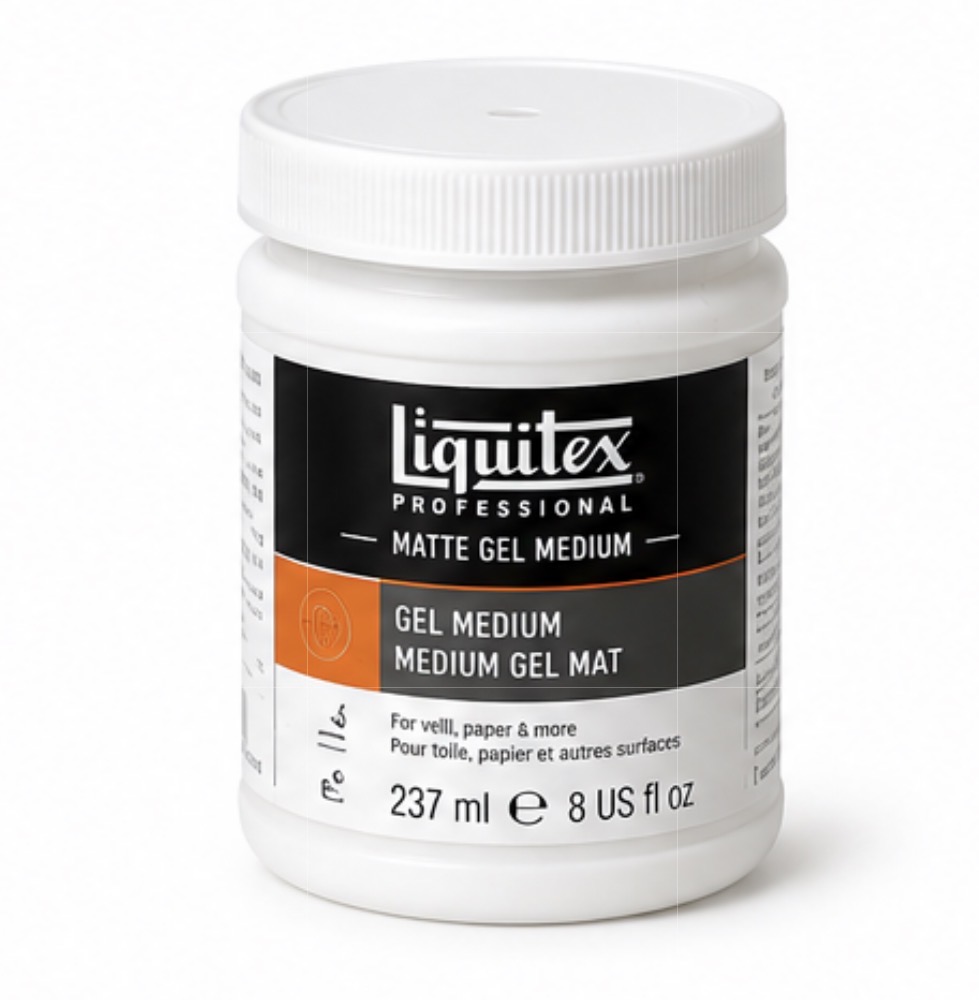
Best For:
- Mixed media
- Collage work
- Sealing pages
Matte Gel Medium acts as both an adhesive and a sealant.
Pros
✔ Strong hold
✔ Great for layering
✔ Can seal surfaces
✔ Works on multiple materials
Cons
✘ Longer drying time
✘ Can warp thin paper if overapplied
Recommended Uses
- Art journals
- Collage pages
- Mixed media spreads
- Sealing ephemera
My Favorite Junk Journal Glue Combination
If you’re building a basic junk journal supply collection, you can complete most projects with these four adhesives:
Must-Have Starter Set
⭐ Glue Stick
⭐ Art Glitter Glue
⭐ Fabric Glue
⭐ Double-Sided Tape
These four products cover nearly every adhesive need a junk journal maker will encounter.
Common Glue Mistakes to Avoid
Using Too Much Glue
More glue does not create a stronger bond.
Excess adhesive often causes wrinkling and warping.
Using Fabric Glue on Thin Paper
Fabric glues can saturate lightweight papers.
Skipping Dry Time
Allow adhesives to fully cure before closing your journal.
Using School Glue
Traditional white school glue often warps pages and can become brittle over time.
Frequently Asked Questions
What is the best glue for junk journaling?
Art Glitter Glue is often considered the best all-around adhesive because it dries clear, provides a strong bond, and works with most paper materials.
What glue works best for lace?
Fabric glue is usually the best choice because it remains flexible after drying.
Can I use a glue stick?
Absolutely. Glue sticks are excellent for lightweight papers and beginner projects.
Is double-sided tape better than glue?
For pockets, tucks, and interactive elements, many journal makers prefer tape because it creates an instant bond without moisture.
Final Thoughts
The best glue for junk journaling depends on what you’re creating. Most journal makers eventually develop a collection of adhesives for different purposes.
For beginners, start with a glue stick, Art Glitter Glue, fabric glue, and double-sided tape. These four options will handle nearly every junk journal project and help you create beautiful journals that last.
Experiment with different adhesives, find what works best for your style, and remember that every junk journal maker has their own favorites.
The most important thing is creating something you love.
Comments
Post a Comment
Please be kind in your blog comments.